AI Systems
HiBid Auction Bot: Fully Autonomous Bidding Across 3 Live Auction Platforms, Zero Manual Intervention
Auction bidding bot development for real-time, autonomous bidding across Rivercity, Sacramento, and Delaney HiBid, with proxy rotation and a live dashboard.
Django
PostgreSQL
Python
React
Redis
3
Auction Platforms Integrated (Rivercity, Sacramento, Delaney)
GraphQL
Full HiBid GraphQL LotBid API Integration
Max Speed
Burst Bidding Mode for Auction-Close Surge
The Problem
Auction Bidding Bot Development: Live Auctions Close in Seconds, Manual Bidding Across 3 Platforms Can't Scale
Auction bidding bot development exists to solve exactly this kind of problem: live auto auction platforms run hundreds of simultaneous lots across multiple locations, with soft-close timers that extend every time a new bid comes in. Manual bidding across three separate platforms, each with its own authentication system, its own API, and its own lot data format, was impossible to scale by hand. By the time a human operator placed bids across dozens of lots, the auction had already moved on. The client needed a system that could watch every lot in real time and place bids instantly and autonomously across all three platforms simultaneously.
Our Solution
GraphQL + REST Bidding with Playwright Auth, Proxy Rotation, and Real-Time WebSocket Dashboard
Building this at scale meant a full-stack system, not a script: we built the bot as a Django application with a React dashboard, where the authentication layer uses Playwright headless Chromium to navigate each platform's login flow and capture session tokens for all subsequent API calls. The lot scrapers paginate through each platform's listing API, scanning hundreds of live lots simultaneously. The bidding engine runs continuously: it queries all lots below the max bid threshold, randomly assigns accounts, and dispatches bids in parallel. One platform's bids use a full GraphQL mutation returning bid status and soft close timers, while others use REST POST requests with captured session credentials. Max Speed mode runs the bidding engine at peak power for auction-close surges, and WebSockets broadcast live stats to the dashboard.
Architecture
Django 4.2 + DRF API. Django Channels WebSockets for live dashboard updates. Celery + Redis for task queue. Playwright headless Chromium for session authentication and cookie harvesting. Concurrent lot scraping and bid dispatch via async execution. HiBid GraphQL API (LotBid mutation, LotSearch query). Sacramento/Delaney REST APIs. 2captcha for CAPTCHA bypass. Rotating proxy pool (host/port range managed via dashboard). PostgreSQL with bulk ORM operations. React + Reactstrap + ApexCharts dashboard.
The Result
Fully Autonomous Auction Coverage, Every Matching Lot Bid Instantly, Around the Clock
The bot delivered a fully autonomous system that replaced an entire manual monitoring and bidding operation, requiring zero human involvement. Lots are tracked in real time across all three platforms simultaneously, and the moment a current price drops below a configured maximum bid threshold, the bot places the bid instantly. Max Speed mode ensured the system could handle the highest-competition auction closes at full concurrency. The real-time WebSocket dashboard gave operators complete visibility: lot counts, completion rates, live bidding history, and inline concurrency control. The client went from manual monitoring of individual lots to automated, around-the-clock coverage across three platforms simultaneously. Businesses facing the same scaling problem, whether that means auction bidding bot development or another real-time automation system spanning multiple third-party platforms, are welcome to reach out and discuss a similar build.
Want scalable architecture and measurable results like this?
Book an Architecture Audit
Build Something Like This
// free scoping call · senior engineers · no commitment
Project scope, timelines, and architecture options in one 45-minute session.
More Work
Related Projects
Brand Identity: Build Your Complete AI Brand Guide in Under 2 Hours, No Consultant Required
AI brand guide generator that builds a complete brand identity in under 2 hours: keyword research, logo variants, media library, and AI brand voice profiles.
View Details
RingFront Ai: Deploy a Business-Trained AI Chat & Voice Assistant on Any Website in Minutes
Custom AI chatbot for business deployed in minutes: RAG-powered chat and voice assistant trained on your content, zero hallucinations, no ML expertise required.
View Details
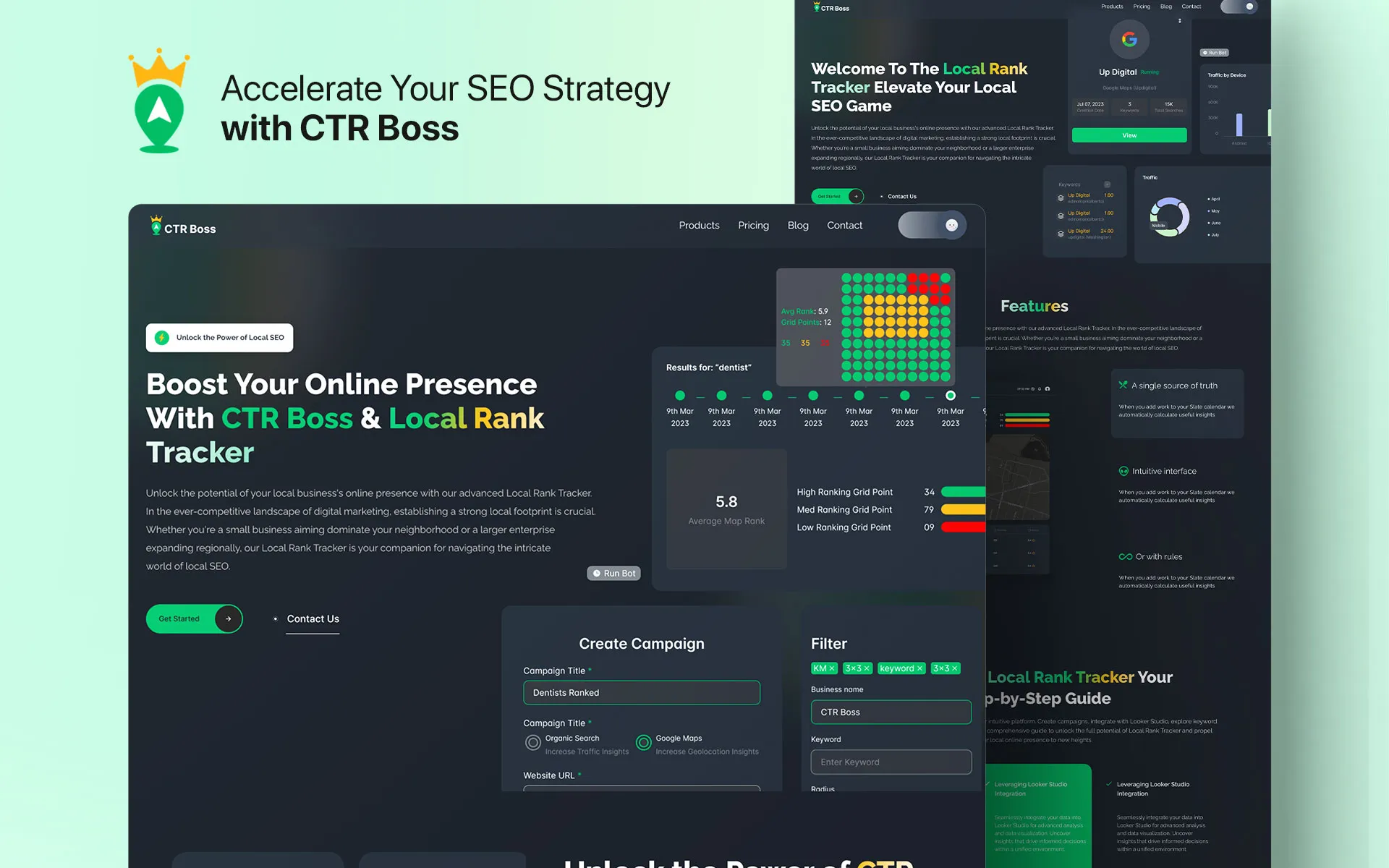
CTRBoss: Programmatic CTR Optimisation & Local SEO GeoGrid Rank Tracking for Agencies
CTR bot development and GeoGrid local SEO rank tracking for agencies: stealth browser automation, geo-targeted proxies, smart scheduling, multi-gateway billing.
View Details